Xiaomi mi4i Review
Performance is as smooth as expected, but understandably not as fast as what you’d get with far more expensive flagships. The device handles gaming very well, and multi-tasking is also a breeze. The MIUI 6 OS is quite memory-intensive though, leaving users with just over 1 GB of memory on boot. Xiaomi said that they worked closely with Qualcomm to ensure that the device doesn’t overheat, and luckily, there were no issues with this review unit. It does get warm when performing processor-intensive tasks for a long time, but not uncomfortably so, or any more than what would happen with any other smartphone out there.
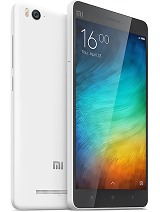
The back isn't technically removable, but the Mi 4i is pretty easy to disassemble with the right tools. When we went to pick one up, Xiaomi's VP of International Hugo Barra stripped a Mi 4i down to the motherboard with nothing other than a plastic pry tool and a Phillips screwdriver.

Apple dari Tiongkok ini mempercayakan baterai berkapasitas 3120 mAh pada Mi4i, atau 120 mAh lebih besar dibandingkan Zenfone 2. Tak heran, ketahanannya pun lebih mumpuni. Walau tak bisa pula dikatakan unggul.

Sunlight Display technology is not just used to liven up images, but also to alter UI elements. The background colour of the on-screen keys, for example, changes to make characters easier to see in different lighting conditions. Though most won't consciously notice the Sunlight Display's effects in action in real life, it's safe to say that the Xiaomi Mi 4i has the best display in its class, and it is perhaps the highlight of the device.
MIUI does have one or two advantages over stock Android. It already has a kind of selective permission system—you can set to have an allow/deny pop-up show up for access to your location, contacts, camera, and other device features. There are also lots of customization options, along with a theme system. Google will be catching up to MIUI with a selectable permissions system (along with lots more developer support) in Android M.
The Zenfone 2 looks very similar to the original Zenfone series (4,5 and 6) complete with curved back, plastic body and metal chin but sports a bigger 5.5-inch display. The removable plastic back panel sports a brushed metallic finish; the volume rocker is on the back, the same way it is in LG’s top-end G series. The smartphone's power key is at the top making it a little cumbersome to use. Asus Zenfone 2 measures 152.5x77.2x10.9mm.Xiaomi Mi 4i's nearly 5-inch display is placed comfortably in a 138x69.6x7.8mm compact, unibody frame, almost similar to Apple iPhone 6. The power and volume rocker keys are also placed at the right edge for easy reach. The main frame is made of a steel alloy while the body panel is polycarbonate. Xiaomi is initially selling the white coloured, matte finish variant of the phone that looks and feels nice.In terms of looks and build quality, Xiaomi Mi 4i would appeal to people who prefer a phone offering one hand-use and don’t have an issue with the plastic body. The Zenfone 2 offers a more metallic look, is not large despite the big screen but the placement of the keys is a bit odd.
The Xiaomi Mi 4i ships with the latest MIUI 6, based on Android 5.0.2 Lollipop, even if you will be hard-pressed to find a lot of material design elements in the user interface. MIUI is certainly one of the heavier Android skins, but does add quite a lot to the overall software experience.
Everything looked sharp to my eye; fonts were crisp and colors were vibrant. It's certainly not the cheap low-end panel found on most budget phones that come with bad viewing angles. On the contrary, Xiaomi's display uses IPS technology and has a 178-degree viewing angle. This means the screen can be easily viewed from from the sides as well (which is great for sharing). Xiaomi claims that the screen is capable of rendering 95 percent of the NTSC color gamut, and while I'm no expert, things looked great to my eye.
The only minor build quality items we'll complain about are the buttons. To start, the volume and power buttons have a cheap-looking glossy silver paint. They don't jiggle much and the action is just fine, but it's easy to scratch the paint.
02.24.16 6 02.24.16 in Mobile Xiaomi's latest mid-range phone is a sequel to the popular Mi 4 It's quite nice, but we're still aching for the Mi 5. By C. Velazco, 02.24.16 View
Ron Amadeo Here's a good shot of the plastic exterior, which wraps up around the sides and surrounds the phone's glass. Ron Amadeo The back is a flat, smooth, hard sheet of plastic. Ron Amadeo The hardware buttons. Why is there still a menu button? Pressing the button doesn't actually open a menu; it opens the recent apps page. Ron Amadeo The top face of the device houses the speaker and front-facing camera. Ron Amadeo The rear camera has a 13MP sensor and a dual-tone flash Ron Amadeo Holes are drilled out for the speaker. We'd rate the speaker at "medium" loudness. It's adequate but didn't blow us away. Ron Amadeo The micro-USB port is one of those funky rectangular "A/B" ports. Ron Amadeo The side buttons are made of a shiny silver plastic that isn't very impressive. This is a minor issue, though.
RatingOur RatingBattery8.0Display9.0Camera8.0Software9.0Design9.0Bottom LineDespite some misleading marketing, its excellent design and build quality, gorgeous display, impressive battery life, good cameras, and feature-packed software experience makes the Xiaomi Mi 4i a fantastic mid-range device, available at a very affordable price point.8.6Our RatingYou have rated this
Engadget Summary If you ever thought to yourself, "I really like the iPhone's design but wish it ran Android," Xiaomi has you covered. The Mi 4 is the latest phone from the Chinese manufacturer, showcasing a sharp design and their signature MIUI interface. Even with a mediocre camera and buggy experience, it still ticks all the right boxes to be a viable alternative to other flagship phones -- as long as it supports your carrier's bands. The overall design and feel of the Mi 4 were well received despite an uninspired design that reminded critics of the iPhone. Ars Technica says the phone's "impeccable construction makes this the best Android hardware we've seen all year," while CNET says they "like the feel of the phone" as it sits "comfortably" in their hands. The frame houses a 5-inch 1920 x 1080 pixel display that Android Authority finds "vibrant" and Mobile Geeks calls outright "fantastic." However, PocketNow had issues with the display's "warm" picture and "side visibility," which they say can "taper-off" at certain angles. The camera of the Mi 4 is a mixed bag, where as Android Authority calls it "unremarkable" and Ars Technica finds the photos "a little on the warm side," CNET was "impressed" by its performance and Mobile Geeks even managed to get some shots that were "simply stunning." Xiaomi's real standout feature is the MIUI Android skin, offering a bevy of customization features. Ars Technica says it's "ridiculously fast" in spite of all the changes, even finding it "faster than stock Android." Unfortunately as this is a phone aimed at the Chinese market, there are a lot of places that went untranslated. PocketNow also found a "darker side" to MIUI, noting quite a few "quirks, bugs, and glitches." However, Xiaomi recently put out an update that hopefully squishes a few of those bugs. Should you buy the Mi 4? It depends. If you're looking for a well-designed phone with a totally different Android experience, and it will work with your carrier, then sure. Keep in mind that Google Play is not loaded on here, so it'll need to be side-loaded. If that's not the kind of user experience you're looking for, there are plenty of other options offering more familiar and accessible experiences.

No comments:
Post a Comment